CHANTEC PACK
CX-ZG1130 paper bag packing machine
Granule configuration
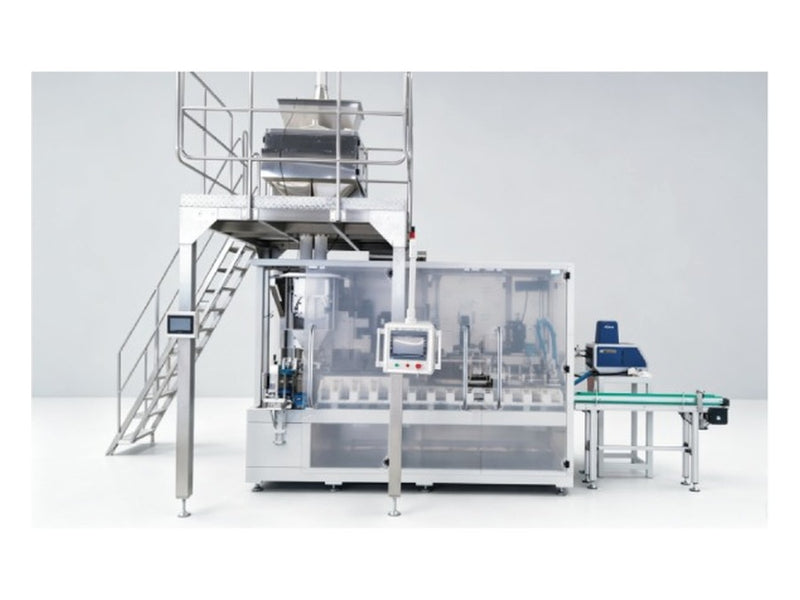
Automatically open, fill, settle, fold and close compatible premade paper bags. The ZG1130 single-station system has a maximum rated output of 30 bags per minute.
View equipmentPACKAGING EQUIPMENT

01
For sugar, salt and breadcrumbs. Select volumetric cups, linear weighing or combination weighing after checking flow, particle size and breakage. Match the bag support and closing tools to the paper bag.
CHANTEC PACK
Granule configuration
Automatically open, fill, settle, fold and close compatible premade paper bags. The ZG1130 single-station system has a maximum rated output of 30 bags per minute.
View equipment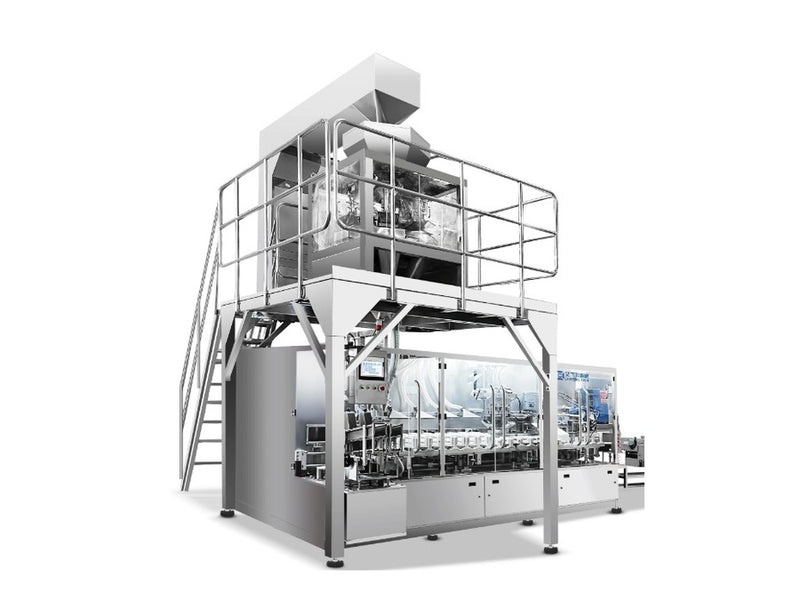
CHANTEC PACK
Granule configuration
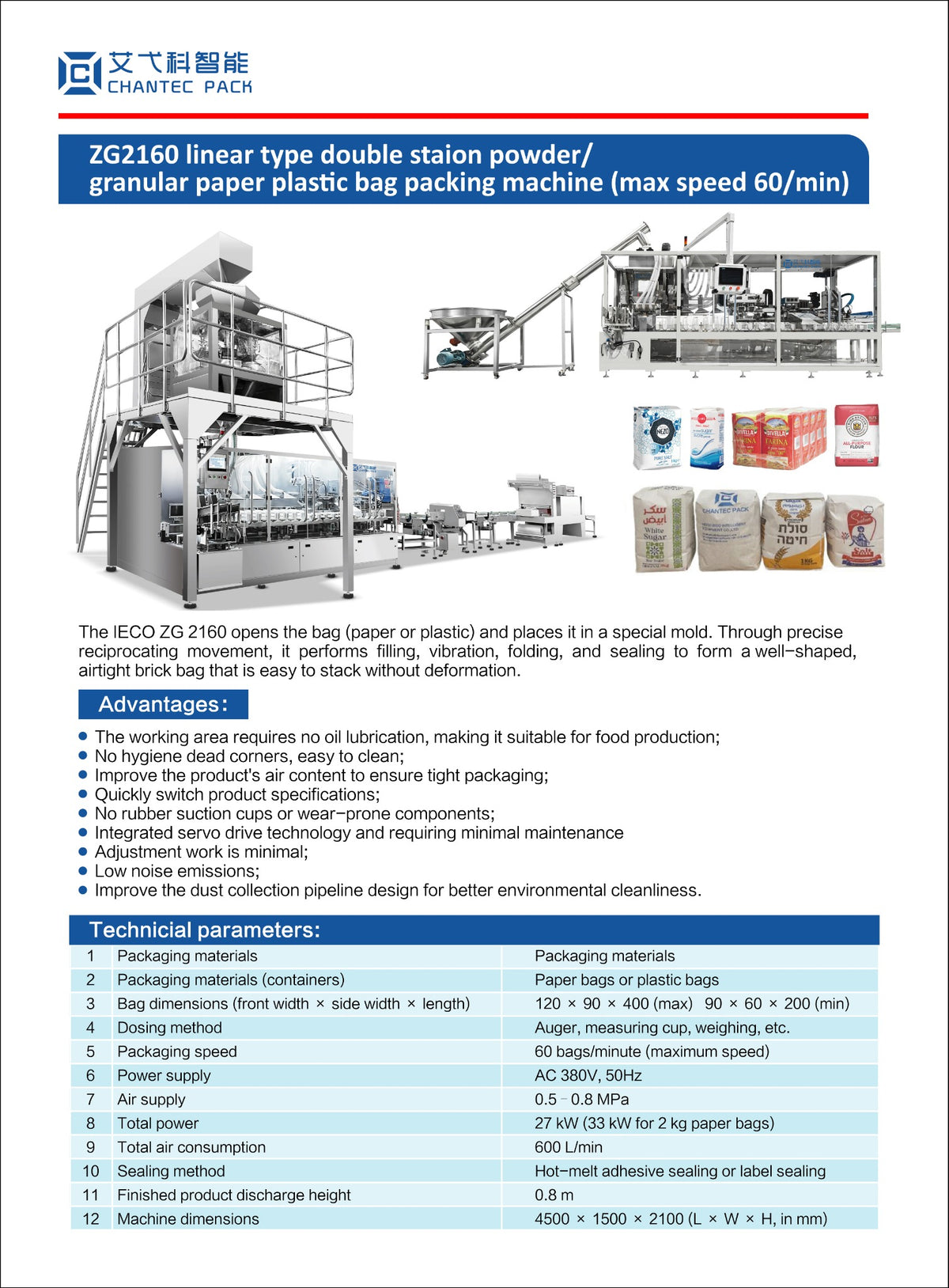
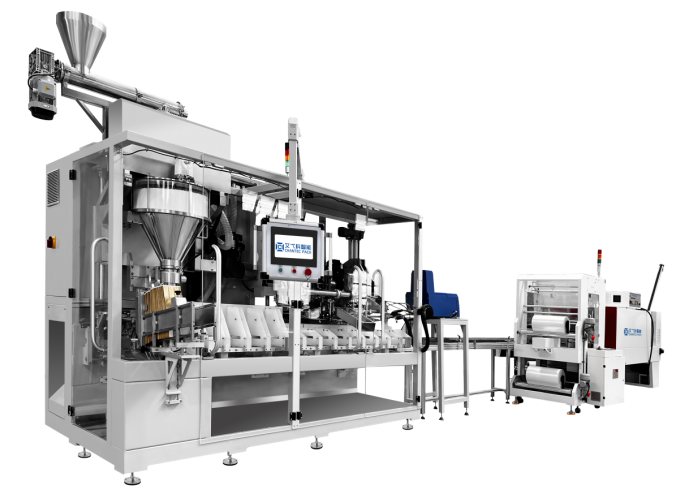
The ZG2160 automates premade bag handling, product filling, settling, folding and closing in a dual-station configuration, with maximum rated output up to 60 bags per minute.
View equipment02
For wheat flour, corn flour, cassava flour and mixed grain powders. The powder configuration combines horizontal screw feeding, servo auger dosing, automatic paper bag feeding and controlled top closing.
CHANTEC PACK
Powder configuration
Automatically open, fill, settle, fold and close compatible premade paper bags. The ZG1130 single-station system has a maximum rated output of 30 bags per minute.
View equipment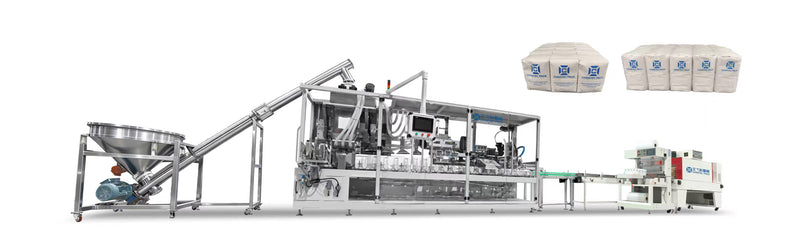
CHANTEC PACK
Powder configuration
The ZG2160 automates premade bag handling, product filling, settling, folding and closing in a dual-station configuration, with maximum rated output up to 60 bags per minute.
View equipment

FROM PRODUCT FEEDING TO FINISHED LOADS
Bring feeding, dosing, bag handling and downstream operations into one layout. Decide which manual transfers to automate, then size each stage around the required finished output.
Connect the hopper or customer silo to a horizontal screw feeder. Review product flow, feed height and dust collection interfaces.
Use the selected servo auger arrangement to supply the target dose. Confirm performance with the actual powder and pack weight.
The bag magazine supplies premade paper bags to the opening and supporting mechanism, reducing repeated manual bag placement.
Fill the supported bag, settle the powder, form the gussets and trim the upper edge where the selected bag process requires it.
Fold the bag top, apply hot-melt adhesive and press the folded edge. Set the closure process for the paper and any liner.
Optional checkweighing, metal detection and date or batch coding can be integrated with the discharge conveyor.
Arrange finished bags, then select bundle wrapping, film cutting and shrink packing, or transfer into an outer bag.
Assess robot or cobot palletizing for the finished bag, bundle or case, with the gripper, payload and pallet pattern selected for the load.
Inspection, secondary packing and palletizing are selected modules; their inclusion depends on the agreed supply scope.
Automatic bag feeding, closing and grouping can remove repetitive hand transfers between workstations. Review the remaining operator tasks in the proposed layout.
Balance filling, closing, inspection and secondary packing so a faster single machine does not simply create a queue downstream.
Agree fill-weight checks, bag appearance, top closure and bundle arrangement during trials. Use your current output and labour tasks as the baseline for evaluating the improvement.
Send your material, bag photo, target weight and required output. We will review the dosing route, line layout and downstream equipment with you.
Plan my complete linePAPER BAG PACKING · PROJECT PLANNING
Explore bag handling, equipment layouts and component choices before discussing a line for your flour, sugar or salt application.
01 / Packing process
Select a stage to see what happens. Play the illustration for a guided overview of the process.
Process illustration, not a timed machine simulation. The sequence and equipment are configured for the project.
A premade bag is opened and positioned in a support mould. Bag construction and opening behaviour are checked against your samples.
The selected dosing unit delivers the product into the supported bag. Auger, volumetric cup or weighing options depend on the material and fill weight.
The settling stage helps the contents sit consistently in the bag before the top is folded. Settings are matched to the product and pack format.
The bag top is folded to suit the required finished pack. Send a photo of your desired pack shape so we can review the closing arrangement.
Hot-melt adhesive or label closure is selected to match the bag. Barrier performance depends on the bag structure and agreed closing method.
Finished packs move to the outfeed. Coding, checkweighing, metal detection and secondary packing can be included in the agreed line scope.
02 / Line layouts
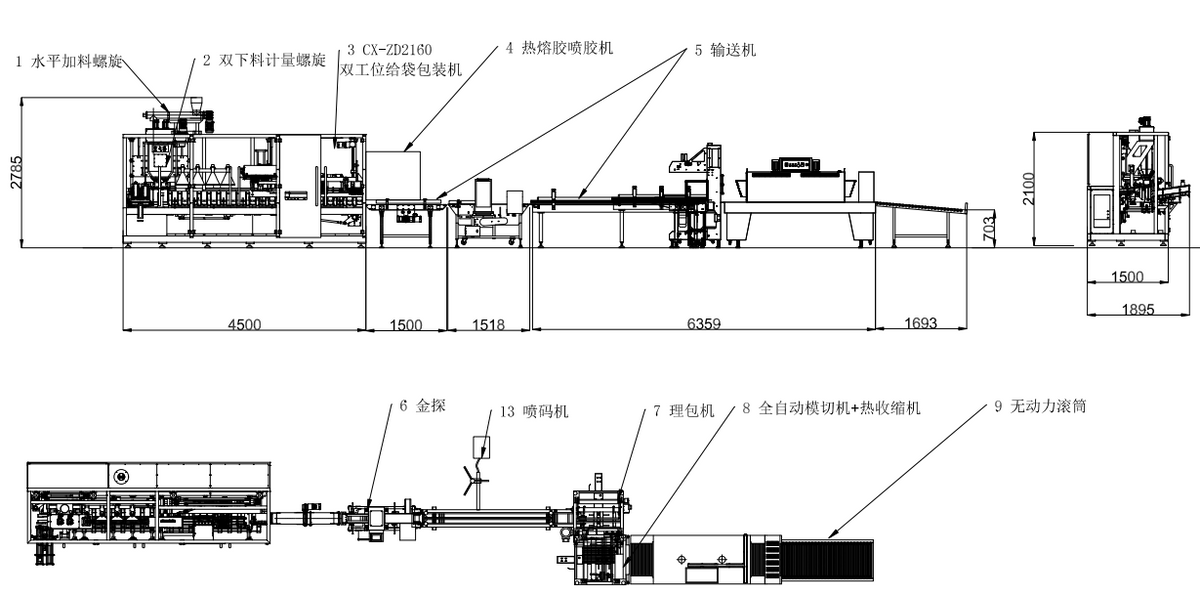
These examples come from supplied project drawings. Compare the machine, conveyors and downstream arrangement with your available floor space.
 Enlarge drawing ↗
Front and plan views show example single-station line arrangements. Feeding equipment, secondary packing and service access must be reviewed for your plant.
Drawing labels are in English. Planning reference; final installation dimensions require an approved project layout.
 Enlarge drawing ↗
The dual-station example connects filling to conveying, inspection, pack collation and overwrapping. These downstream modules are project options, with scope confirmed in the proposal.
Drawing labels are in English. Planning reference; final installation dimensions require an approved project layout.
Send the front width, gusset depth, length, material and finished-top photo. Bag compatibility is reviewed together with fill weight and output.
Allow for feeding, platforms, conveyors, downstream equipment and access. The machine body dimensions alone do not define the installation footprint.
Choose coding, weight inspection, metal detection and secondary packing around your production and quality-control needs.
Use these references for an initial comparison of the two models.
Envelope illustration, not to scale. Excludes feeding equipment, platforms, downstream modules and access clearances.
Length × Width × Height
2,940 × 1,500 × 2,100 mm
Length × Width × Height
4,500 × 1,500 × 2,100 mm
03 / CONTROLS & COMPONENTS
Review the control and pneumatic package alongside the process. The supplied project list names the following reference brands.
Coordinate control, operator settings and servo motion in the selected configuration.
Photoelectric sensor selection is reviewed with the bag handling and detection requirements.
Low-voltage electrical components form part of the agreed electrical specification.
The reference list includes SMC cylinders and tee fittings, with Festo solenoid valves.
Review adhesive closure with the bag material, required top fold and finished-pack requirements.
Bearing selection is listed as igus or C&U, according to the agreed project component schedule.
Project reference configuration. Alternative brands indicate a selection. Final brands, component models and supply scope are agreed in the quotation.
04 / Operating videos
Real application footage from the CHANTEC PACK channel. Use it to discuss the process you want to automate.
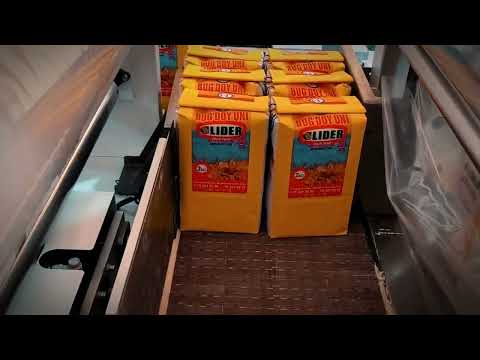
Follow the demonstrated bag handling, filling and pack discharge. Tell us which pack weight and bag format you need to run.
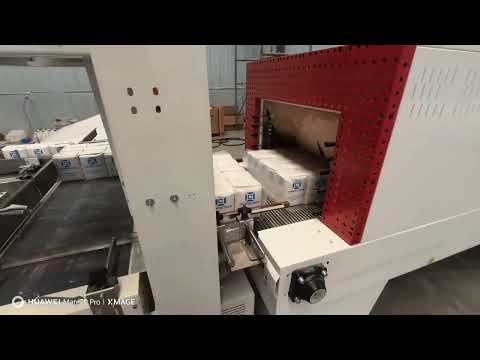
Watch on YouTube ↗Watch the demonstrated dual-station arrangement and follow the bag path. Discuss your required output and downstream connection with us.
Watch on YouTube ↗Application examples from our official channel. The demonstrated equipment and configuration may differ from the proposed system; rated output is confirmed for the actual product, bag and fill weight.
TECHNICAL DOWNLOAD · ENGLISH PDF
A four-page guide with single-station reference parameters, electrical and pneumatic components, and two project layout illustrations.
Send your product, fill weight, bag photo and target output. Add your available floor space if you would like to discuss a line layout.
TELL US WHAT YOU PACK
A short description is enough to get started. We can discuss the technical details with you.